 Save
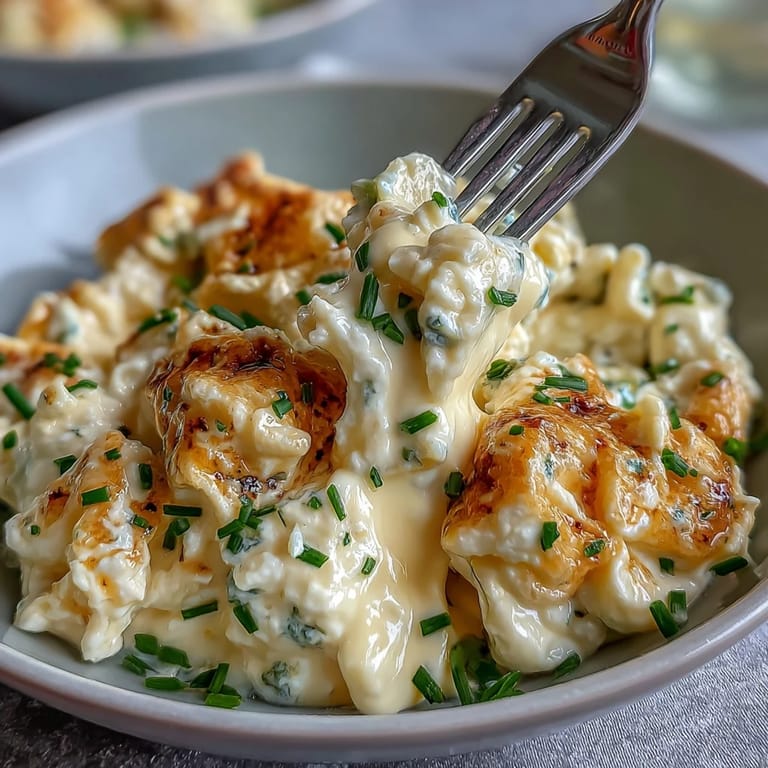
Save Steam curling from the skillet, I once made these cottage cheese scrambled eggs on a bleary Monday just as birds chirped outside my kitchen window. My old radio murmured low jazz while I absentmindedly tasted a spoonful of cottage cheese—suddenly, it clicked: why not fold that creaminess into my eggs? The result was so fluffy I laughed at the thought of ever making plain scrambled eggs again. Nothing groundbreaking, just a fleeting moment that turned a simple breakfast into something quietly energizing. All it took was a bit of curiosity and an urge to eat something wholesome.
The time I whipped this up for my partner on a chilly Sunday, they peered into the pan asking What makes them so creamy today? Tossing in the last of the snipped chives, I grinned—half-tempted not to reveal my trick. The eggs were silky, ribbons pulling apart gently, and we stood side by side at the stove, forks stealing tastes straight from the skillet. Even the cat hovered nearby, drawn by the buttery aroma. For a few quiet minutes, breakfast felt like an occasion.
Ingredients
- Eggs: The foundation—large eggs give the structure and fluff; cracking them cold makes it easier to separate stray shells if needed.
- Cottage cheese: I prefer full-fat for extra richness, and crumbling it first helps it melt evenly into the eggs.
- Butter: Start with cold unsalted butter—it keeps things from browning too quickly, and it glazes the eggs in a subtle sheen.
- Chives or green onions (optional): These give a grassy brightness; slice them fine to avoid stringy bits.
- Salt and black pepper: The simplest seasoning does wonders; don't skimp, but wait to taste near the end in case your cottage cheese is salty.
Tired of Takeout? 🥡
Get 10 meals you can make faster than delivery arrives. Seriously.
One email. No spam. Unsubscribe anytime.
Instructions
- Beat the eggs:
- Whisk eggs with salt and pepper in a medium bowl just until streaks disappear—too much air and they'll become spongy.
- Add the cottage cheese:
- Using a spatula, gently fold in the cottage cheese, taking care not to fully mash it. The eggs will look a little lumpy—perfect.
- Melt the butter:
- In a nonstick skillet over medium-low heat, melt butter until it foams softly, never letting it brown.
- Cook the eggs gently:
- Pour in the egg mixture. Stir slowly with a spatula, scraping the bottom and curving around the edges as curds form.
- Check for creaminess:
- When the eggs look just barely set, almost shiny in spots, remove from heat immediately; the residual heat will finish them.
- Finish and serve:
- Scatter with chives or green onion. Serve piping hot, ideally straight out of the pan for ultimate coziness.
 Save
Save One brunch, my little niece helped sprinkle chives, her small hands tossing them everywhere but the pan. She declared these the best eggs ever, dribbling cottage cheese on her pajamas, and I realized that even the messiest batch brings smiles. Some food is really just a backdrop for laughter and little victories, like finally learning to crack an egg one-handed without any shell chase.
Variations to Keep Breakfast Interesting
Adding a pinch of smoked paprika or sautéed spinach completely shifts the character of these eggs, making them feel fancier than you’d guess. The cottage cheese seems to mellow sharper flavors, so experimenting with add-ins is low risk and high reward. Sometimes I reach for a bit of dill or swap in scallions for chives, depending on what's wilting in the crisper. The basic method is a canvas for whatever leftover herbs or seasonings you have on hand.
Tools That Make It Easier
A nonstick skillet is your best friend here—it keeps cleanup painless and the eggs moving smoothly. After several attempts with an old metal pan, I begrudgingly invested in a proper spatula and never looked back. A whisk helps lighten the eggs, but a fork will do in a pinch if you're half-awake. Even your smallest mixing bowl works, but aim for something with high sides to contain your whisk's enthusiasm.
Balancing Flavors and Textures
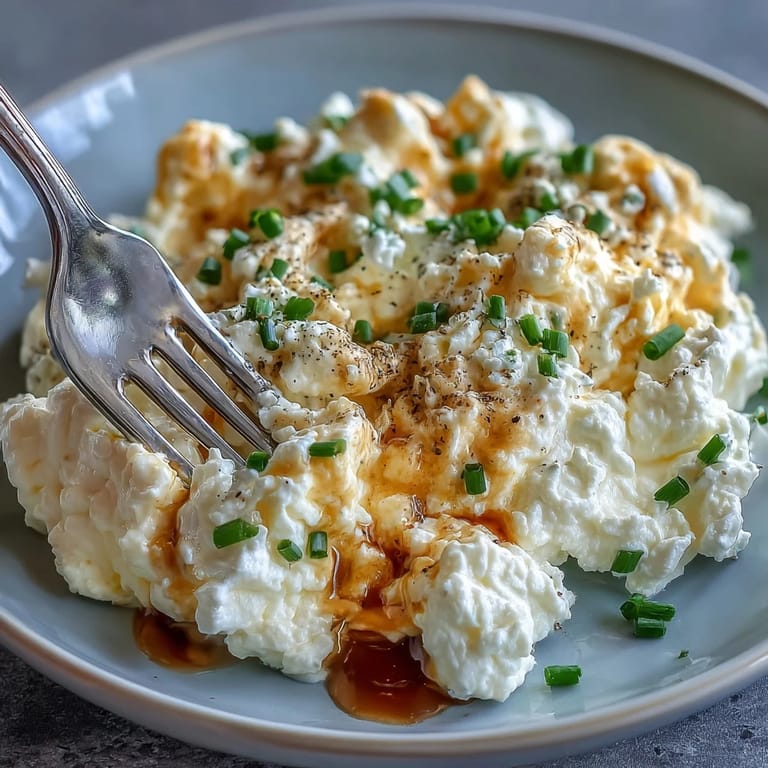
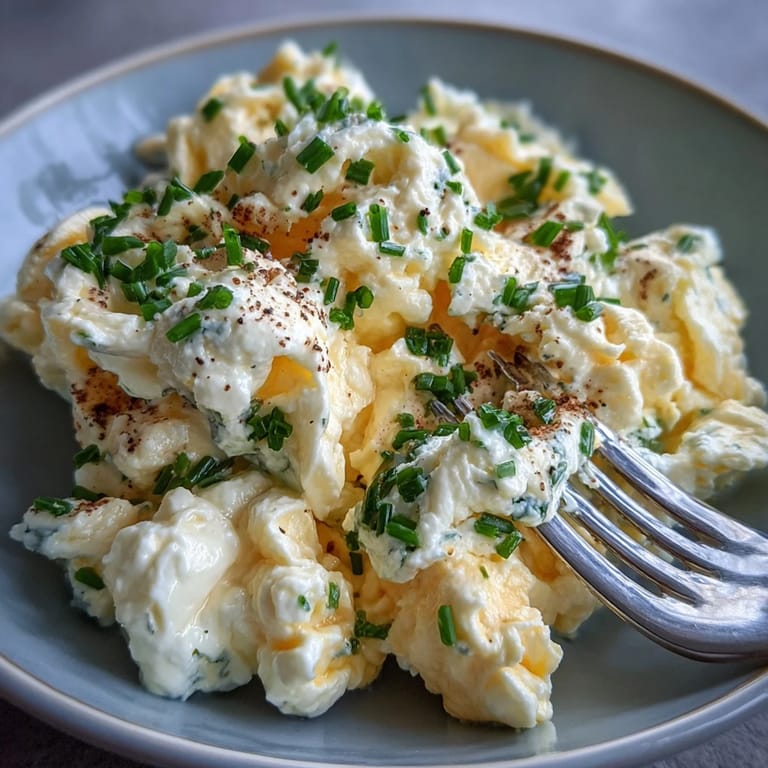
Don’t be shy about seasoning, but do remember cottage cheese can bring its own saltiness. The key is to taste the eggs right when they’re just about finished and adjust if necessary. The eggs should feel almost custardy and moist, not runny or dry—so a gentle touch and patience mean everything.
- Taste for salt right at the end, especially if using a salty cottage cheese.
- Let the eggs rest in the pan a moment off-heat to finish setting.
- Cottage cheese curds should stay visible for the creamiest bite.
 Save
Save Whether you make these for yourself or someone you love, I hope every bite feels like a quietly luxurious start to your day. Now excuse me while I sneak a few more forkfuls right from the pan.
Recipe Questions & Answers
- → How do I achieve a creamy texture without overcooking?
Cook over medium-low heat and stir gently and continuously, removing the pan from heat when curds are still slightly wet. Residual heat finishes the set and keeps the eggs creamy.
- → Can I use a different cheese or dairy substitute?
Yes. For a similar creamy lift try ricotta or mascarpone. For a dairy-free option, swap cottage cheese for silken tofu and use olive oil instead of butter.
- → How long does this keep in the fridge?
Store cooled portions in an airtight container for up to 2 days. Reheat gently over low heat or in short bursts in a microwave to avoid drying out.
- → How can I boost protein further?
Add diced cooked turkey, smoked salmon, or a spoonful of Greek yogurt (if compatible with texture) to increase protein while preserving creaminess.
- → What pan and tools work best?
A nonstick skillet and a flexible spatula are ideal to prevent sticking and to stir gently. A medium bowl and whisk make it easy to combine eggs, seasoning, and cottage cheese evenly.
- → Any quick flavor variations?
Stir in chopped baby spinach until wilted, sprinkle smoked paprika for depth, or finish with lemon zest and chives for brightness.