 Save
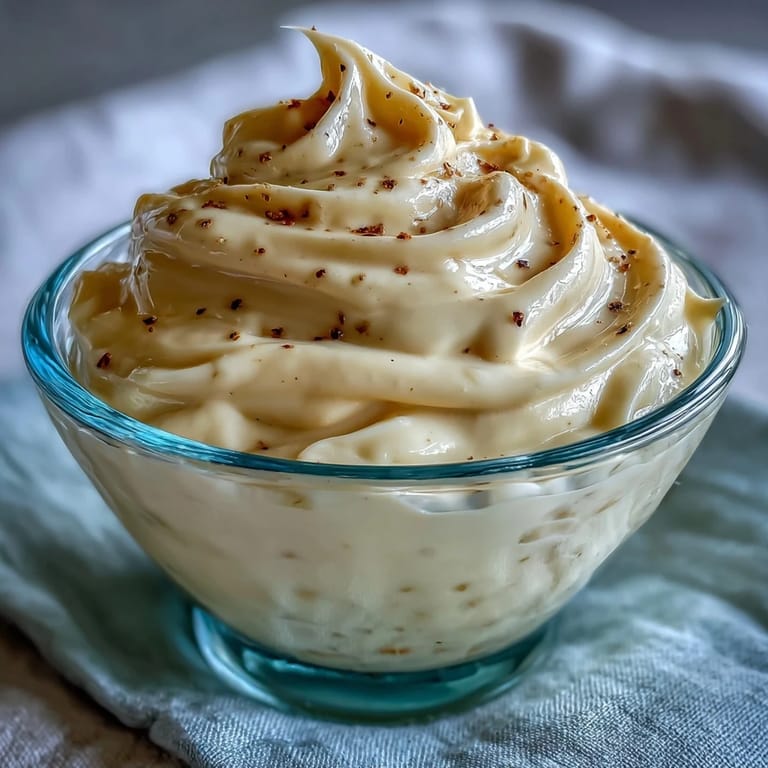
Save The first time I made mayonnaise at home, it was mostly on a whim, inspired by a half-empty store-bought jar and a stubborn streak. The kitchen was quiet, sunlight coming in and making the oil glisten in its little measuring cup. There was something oddly satisfying about the gentle hum of the immersion blender, sending tiny bubbles racing up the sides of the container. The quick transformation from yolk and oil to creamy spread always feels like magic. That moment, when everything thickens, never fails to make me smile.
One busy weekday when my friend showed up unannounced with fresh sourdough, we scrambled to make lunch and whipped up this mayonnaise in front of her. She looked on, skeptical at first, then laughed at how quick it came together: we spread it over sandwiches and ended up wiping the bowl clean with our bread. A simple afternoon turned into an impromptu meal where the mayo quietly stole the show. It was the kind of kitchen moment where both chatter and flavor lingered longer than expected.
Ingredients
- 1 large egg: Room temperature eggs help everything emulsify seamlessly; I learned cold eggs can make the mixture stubbornly separate.
- 1 tablespoon Dijon mustard: The zing and subtle bite from Dijon bring brightness—trust me, don't skip it.
- 1 tablespoon white wine vinegar or lemon juice: Both add acidity, but I swap depending on what needs using up in the fridge.
- 1 cup neutral oil: Sunflower and canola blend in smoothly for classic taste, but olive oil gets you a stronger, more Mediterranean flavor.
- 1/2 teaspoon fine sea salt: Don't hold back here; good salt draws out all the subtle notes.
- 1/4 teaspoon freshly ground black pepper: Optional, but a little grind gives the mayo a gentle warmth I love on rainy days.
Tired of Takeout? 🥡
Get 10 meals you can make faster than delivery arrives. Seriously.
One email. No spam. Unsubscribe anytime.
Instructions
- Gather your ingredients:
- Double-check your egg is room temp and stack everything next to your immersion blender, so there&aposs no running around mid-blend.
- Layer in the jar:
- Drop the egg, mustard, vinegar or lemon juice, salt, and pepper into your tall container—watch for those flecks of pepper that pop against the yolk.
- Add the oil:
- Pour the oil gently, letting it settle atop the other ingredients so the layering helps with a quicker emulsification.
- Blend from the bottom:
- Anchor the blender at the jar's base, fire it up, and listen for the low purr as the mixture thickens in about ten seconds.
- Mix as it thickens:
- Slowly raise and lower the blender until you see a silky, glossy mayo forming, blending for about half a minute.
- Season and taste:
- Dip in a spoon and adjust with extra salt or acid if needed—it&aposs the taste test moment I always look forward to.
- Store and chill:
- Spoon the finished mayo into a clean jar, seal tight, and let it chill in the fridge; it&aposs best used within the week.
 Save
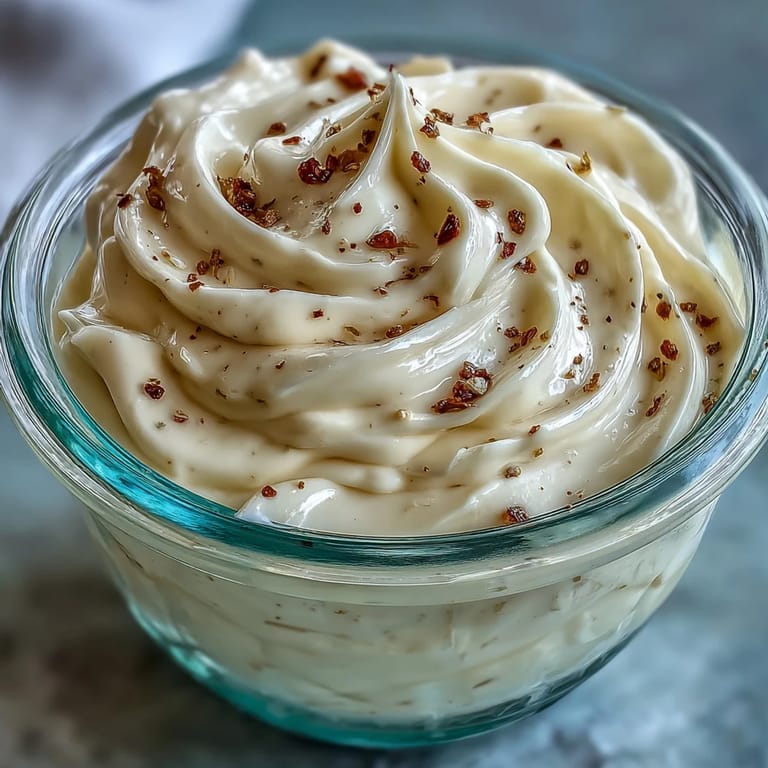
Save Our homemade mayonnaise turned the simplest salad into something we lingered over, sharing stories and digging out more bread just to scoop up the last bits. It became where casual cooking morphed quietly into community in a jar. That moment always reminds me that food, even condiments, can shift the mood of a meal.
How To Adapt Your Mayo
One afternoon I tossed in a clove of garlic for impromptu aioli; you can add herbs, smoked paprika, or whisk in sriracha to make each batch fit the dish or the mood. If you prefer a tangier flavor, add a touch more lemon juice or vinegar—sometimes I do this when serving with roasted potatoes. Just always add extras after the mayo thickens, blending gently to avoid breaking the emulsion.
What To Pair With Homemade Mayo
Fresh mayonnaise is perfect for crunchy vegetable salads, slathered on sandwiches, or as a dip for oven fries. Some days, I use it as a base for creamy dressings, or swirl it into scrambled eggs for extra richness. There&aposs something playful about mixing it with pesto or chipotle for quick sauces that elevate even weeknight dinner.
Quick Troubleshooting & Final Thoughts
If your mayonnaise ever splits or stays runny, keep calm—a couple drops of water and a gentle blend can bring it back. Always clean your immersion blender immediately after use, so you don&apost spend ages scrubbing later. A little patience and plenty of tasting makes this recipe feel like less of a chore and more of a secret kitchen skill.
- Let your egg sit out for at least 30 minutes before starting.
- Pour the oil gently to keep layers for easy emulsification.
- Use it up within a week for freshest flavor.
 Save
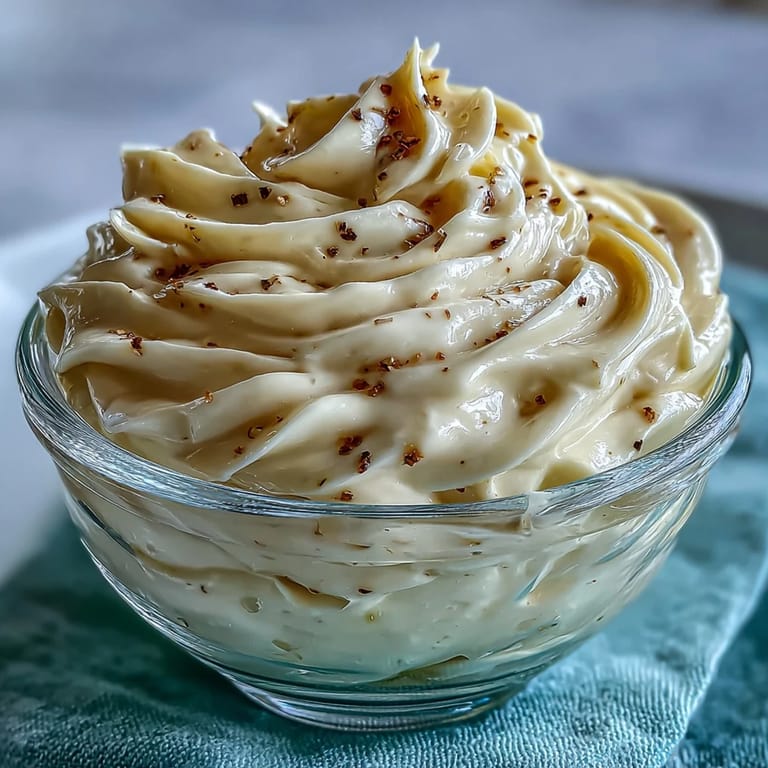
Save Homemade mayonnaise is a gateway to tweaking flavors and feeling like a kitchen magician. Every batch becomes a little more personal—enjoy making it your own.
Recipe Questions & Answers
- → Can I use olive oil instead of neutral oil?
Yes, olive oil adds a stronger flavor. Light olive oil works best for a milder taste.
- → How long does homemade mayonnaise last?
Stored in a sealed jar in the refrigerator, it stays fresh for up to one week.
- → Is it safe to use raw eggs?
For extra safety, use pasteurized eggs. Fresh eggs also work, but refrigeration is essential.
- → Can I add flavors like garlic?
Absolutely! Blend in a small garlic clove for a garlicky aioli variation.
- → What tools do I need?
An immersion blender, tall blending container, measuring spoons, and a jar with lid are recommended.
- → How do I make it tangier?
Add up to 2 teaspoons more vinegar or lemon juice to intensify the tang.