 Save
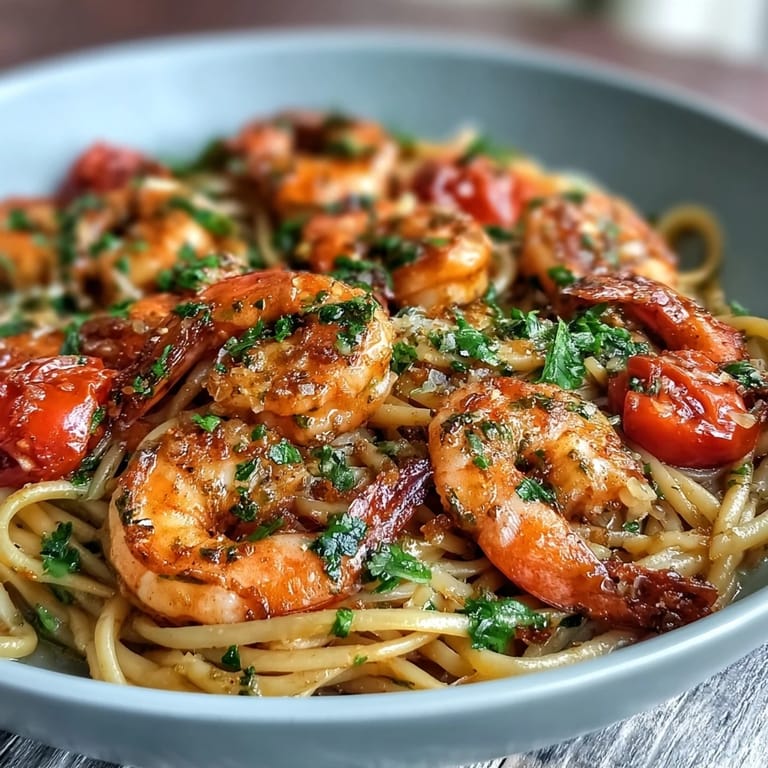
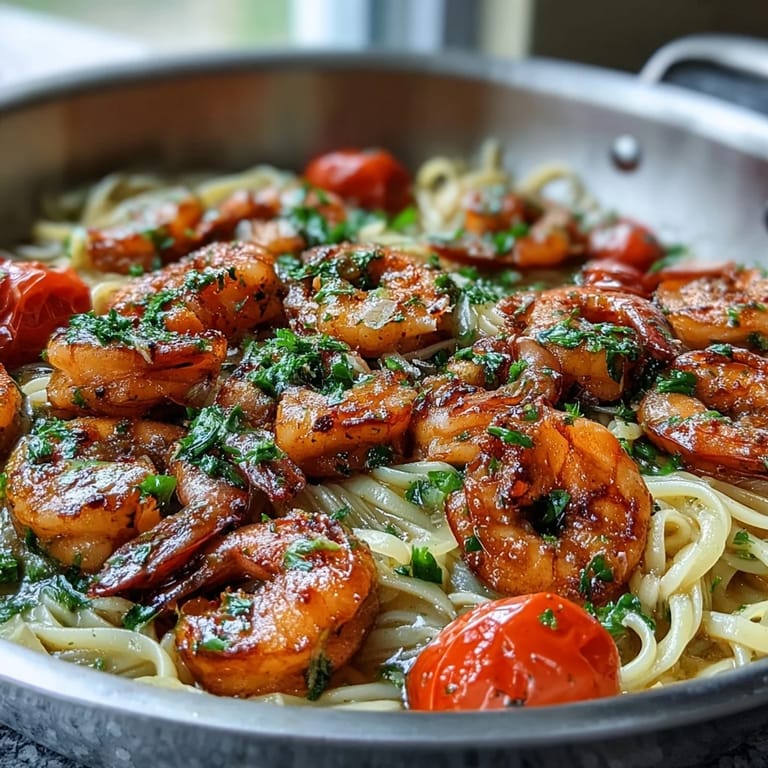
Save There's something about a weeknight when the kitchen smells like garlic and lemon that makes everything feel a little less rushed. I discovered this one-pot garlic shrimp dish on an evening when I had about twenty minutes and a fridge full of spring vegetables that needed rescuing. The beauty of it hit me immediately—everything cooks together in one pan, the pasta absorbs all that briny, garlicky goodness, and by the time the shrimp turns pink, you've got dinner that tastes like you spent hours planning it.
I made this for my partner last April, right when the weather finally felt warm enough to open all the windows. He stood at the stove while I stirred, asking what that incredible smell was—it was just garlic and lemon, but something about the combination made the whole apartment smell like a coastal restaurant. We ate standing up at the kitchen counter because we couldn't wait to sit down, and halfway through, he asked if I'd add it to regular rotation. It's been there ever since.
Ingredients
- Large shrimp, peeled and deveined (1 lb): Buy them the day you're cooking if possible—the fresher they are, the sweeter they taste, and they'll cook perfectly in just two to three minutes without becoming rubbery.
- Angel hair pasta (12 oz): This thin pasta is crucial because it cooks in the broth itself, absorbing all the flavor instead of sitting separate in salted water.
- Cherry tomatoes (1 cup, halved): Their slight sweetness balances the sharpness of the lemon and garlic beautifully.
- Snap peas (1 cup, trimmed): They stay crisp when added early, giving you that pleasant snap in each bite.
- Baby spinach (1 cup): Fold this in at the very end so it just wilts from residual heat instead of turning dark and bitter.
- Zucchini (1 small, sliced): A mild vegetable that picks up the sauce's flavor without overpowering anything else.
- Fresh parsley and green onions (combined 1/3 cup): These add freshness that makes the dish taste bright instead of heavy, even though it's cooked together.
- Garlic (4 cloves, minced): Mince it finely so it distributes throughout the oil—this is where the magic starts, before anything else goes in the pan.
- Extra virgin olive oil (1/4 cup): Use something you'd actually taste on its own because you'll taste it here.
- Lemon zest and juice (1 lemon): The zest goes in early so it infuses the broth; the juice balances everything at the end.
- Red pepper flakes (1/2 tsp, optional): A pinch adds subtle heat without making it spicy—you can always add more to your bowl.
- Dry white wine (1/2 cup) or vegetable broth: Wine adds complexity, but broth works perfectly if you prefer to skip it.
- Chicken or vegetable broth (3 cups, low-sodium): Low-sodium matters here because you're reducing it slightly, and you'll season to taste at the end.
Tired of Takeout? 🥡
Get 10 meals you can make faster than delivery arrives. Seriously.
One email. No spam. Unsubscribe anytime.
Instructions
- Bloom your garlic in oil:
- Heat the olive oil in your large skillet over medium heat, then add the minced garlic and red pepper flakes. Let it sit there for about a minute, just until it becomes fragrant—you'll know it's ready when your kitchen smells incredible. Don't let it brown or it turns bitter.
- Soften the sturdy vegetables:
- Toss in the cherry tomatoes, snap peas, and zucchini, stirring occasionally for about two to three minutes. You want them to just start releasing their flavors without becoming soft—they'll continue cooking with the pasta anyway.
- Deglaze and build the broth:
- Pour in the white wine and let it simmer for a couple of minutes, scraping up any flavorful bits stuck to the bottom of the pan. Then add the broth, lemon zest, and juice, and bring everything to a gentle boil—this is your sauce base now.
- Cook the pasta directly in the broth:
- Break the angel hair into thirds, then scatter it across the pan and submerge it into the liquid with a spoon or tongs. Cover and cook for about three to four minutes, stirring occasionally so it doesn't clump—it should be nearly tender but not quite there yet.
- Add and finish the shrimp:
- Spread the shrimp evenly across the top, cover again, and cook for two to three minutes until they've all turned pink and opaque. The residual heat will finish cooking the pasta to a perfect al dente.
- Fold in the delicate finishing touches:
- Remove from heat and gently fold in the baby spinach, green onions, and fresh parsley. They'll wilt right into the warm dish, adding brightness without becoming overcooked.
- Taste and season:
- Taste a bite and add salt and pepper as needed—remember that you might add more at the table with Parmesan, so go easy here.
 Save
Save This dish became something more than pasta to me when I made it for a friend who'd been going through a rough time. She came over without much appetite, but somewhere between the aroma and that first forkful, something shifted. She said it tasted like spring, like hope, like someone actually cared—and maybe that's what happens when you cook something where every ingredient still tastes like itself, just elevated.
Timing Is Everything
The whole dish comes together in thirty minutes, and that's including prep time. The real magic is that nothing sits around waiting—everything finishes at exactly the right moment. Once you understand the sequence, you can do the knife work first, set out everything you need, and then just cook methodically without stress. I've made this on nights when someone's arriving in forty minutes, and it always feels calm rather than frantic because each step flows naturally into the next.
Spring Vegetables Are Your Canvas
While the recipe calls for specific vegetables, the truth is that whatever looks fresh at your market will work beautifully here. Asparagus instead of snap peas, thin green beans, sliced bell peppers, or even a handful of fresh herbs beyond parsley—the broth will carry all of these flavors wonderfully. I've made this in summer with early zucchini, in late spring with fresh peas, and even in fall with thinly sliced fennel. The only rule is that everything should be cut small enough to cook through in the time it takes the pasta to become tender.
Making It Your Own
The versatility of this dish is quietly its best feature. Once you understand the ratio of pasta to broth and how the proteins and vegetables layer in, you can swap almost anything. I've served it with scallops instead of shrimp for something fancier, made a vegetarian version with white beans and kept it exactly as satisfying, and even tried it with a splash of cream instead of wine for nights when I wanted something richer. The technique stays the same, but your dinner changes entirely.
- If you skip the Parmesan, finish with a drizzle of really good olive oil instead—it adds richness without dairy.
- A pinch of Dijon mustard stirred in just before serving adds depth that almost nobody can identify but everyone notices.
- Leftover shrimp pasta reheats gently in a covered pan with a splash of broth and tastes almost as good the next day.
 Save
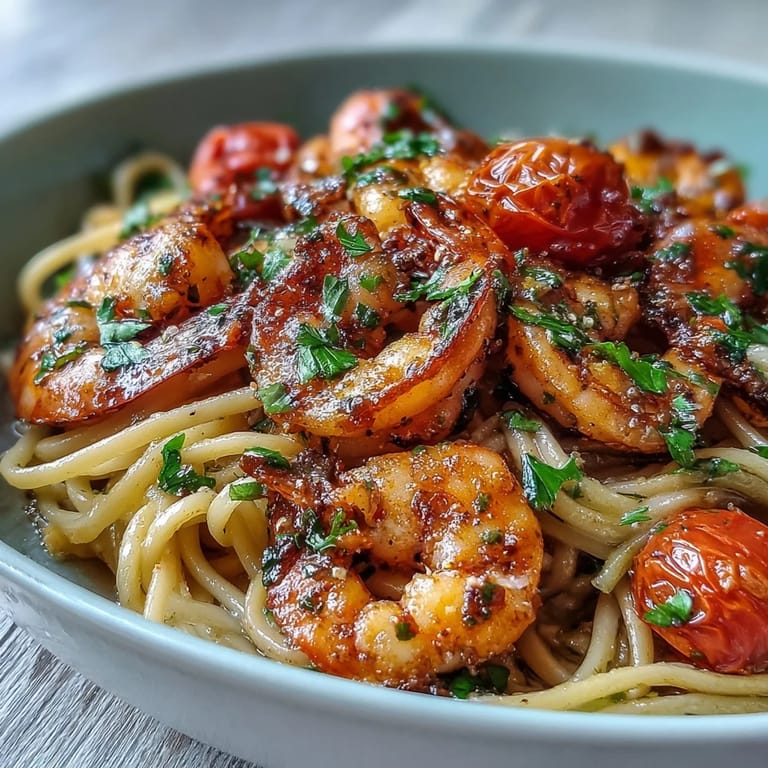
Save This one-pot garlic shrimp is the kind of dish that proves elegant food doesn't require complicated techniques or hours in the kitchen. It's become my reliable answer to the question of what's for dinner when you want something that tastes like restaurant-quality but feels completely doable on a regular Wednesday night.
Recipe Questions & Answers
- → Can I use another type of pasta?
Yes, though angel hair is preferred for its delicate texture, thin spaghetti or vermicelli also works well.
- → How do I know when the shrimp is cooked?
Shrimp are done when they turn pink, opaque, and curl slightly. Avoid overcooking for tender results.
- → Is it possible to make this dish gluten-free?
Absolutely, simply substitute regular angel hair with gluten-free pasta to maintain the light texture.
- → Can I substitute white wine with something else?
Yes, dry vegetable broth is a great non-alcoholic alternative that preserves the dish's depth of flavor.
- → What vegetables work best in this dish?
Spring vegetables like cherry tomatoes, snap peas, zucchini, and baby spinach add vibrant flavors and textures.