 Save
Save There's something about the smell of broccoli softening in butter that always pulls me back to a quiet Tuesday afternoon when my neighbor stopped by with a bunch of florets from her garden. She mentioned she'd been making soup all week, and I realized I'd been overthinking it—just vegetables, broth, and cream simmered together until everything turns velvety and simple. That soup changed how I approached weeknight cooking, turning something that felt fancy into something I could make without fuss.
I made this for a friend who was having one of those days where nothing felt right, and watching her face when she tasted it—just closing her eyes for a second—reminded me why I cook at all. She asked for the recipe, and I realized I'd never written it down, just remembered it from feel and habit. That's when I knew it had become something worth sharing properly.
Ingredients
- Broccoli florets (500 g, fresh or frozen): The star that turns mild and almost sweet as it cooks down; frozen works just as well as fresh and sometimes better because it's already prepped.
- Medium onion, chopped: Your flavor foundation—don't skip or rush this, as those few minutes of softening build everything that comes after.
- Garlic (2 cloves, minced): Just enough to whisper in the background without overwhelming; more if you're feeling bold.
- Medium potato, peeled and diced: The secret thickener that makes the soup creamy without needing extra cream, creating body naturally.
- Medium carrot, peeled and diced: Adds sweetness and color while disappearing into the blend completely.
- Vegetable broth (1 L or 4 cups): Use the kind you'd actually drink, as the quality shows in the final bowl; homemade is lovely but store-bought is honest.
- Heavy cream (120 ml or ½ cup): The finish that makes it feel luxurious; plant-based cream works beautifully if that's your choice.
- Olive oil or unsalted butter (2 tbsp): Butter gives warmth, oil keeps it lighter—pick what feels right for your mood.
- Salt (½ tsp) and ground black pepper (¼ tsp): Taste as you go because every broth is different, and you're the only one who knows what your salt should taste like.
- Ground nutmeg (pinch, optional): A tiny whisper that somehow makes broccoli taste more like itself.
Tired of Takeout? 🥡
Get 10 meals you can make faster than delivery arrives. Seriously.
One email. No spam. Unsubscribe anytime.
Instructions
- Start with the quiet foundation:
- Heat your oil or butter in a large pot over medium heat and listen for it to shimmer. Add the chopped onion and minced garlic, then let them soften for 2–3 minutes, stirring now and then, until the whole kitchen smells like something good is happening.
- Build the vegetables:
- Drop in the diced potato and carrot, stirring occasionally as they cook for about 3 minutes. You're not looking for them to be tender yet, just starting to soften at the edges.
- Bring it all together:
- Add the broccoli florets and pour in the vegetable broth, then let it come to a gentle boil. Lower the heat and simmer uncovered for 15–18 minutes until everything yields to a fork—this is where the magic happens, as the vegetables lose their edges and become one.
- The blending moment:
- Remove from heat and reach for your immersion blender, moving it slowly through the pot in circular motions until the soup turns completely smooth and velvety. If using a standard blender, let everything cool slightly and work in batches, holding the lid loosely with a towel.
- Finish with softness:
- Stir in the heavy cream and taste for salt, pepper, and that optional pinch of nutmeg. Reheat gently if it's cooled, then ladle into bowls while it's hot.
 Save
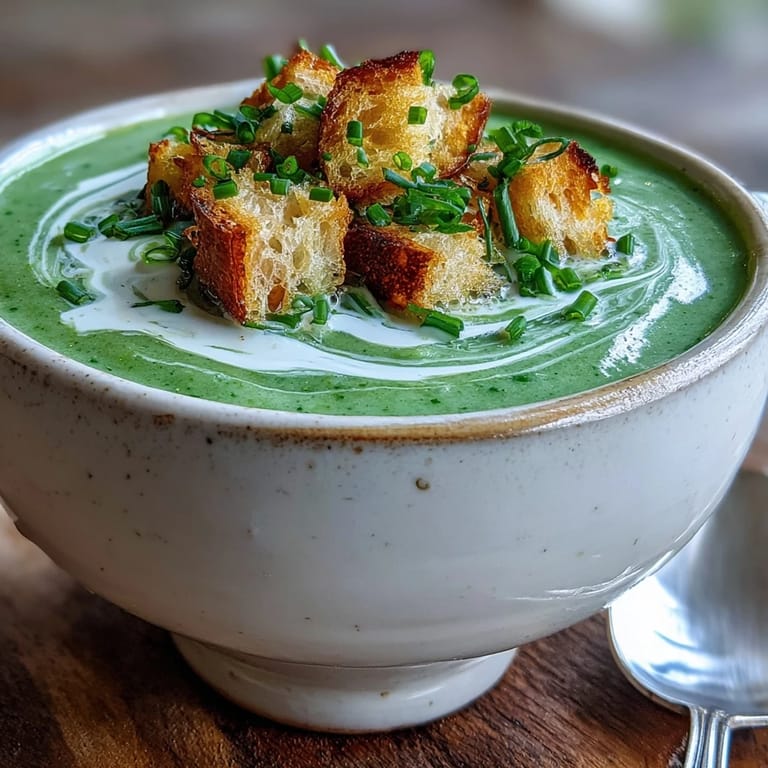
Save I served this soup in small white bowls with a drizzle of cream and fresh chives to a table full of people I'd just met, and somehow it became the thing everyone remembered about that dinner. There's power in simplicity, in knowing that broccoli and patience and cream can make something that feels like care.
The Truth About Texture
The potato is doing more work than you might think, acting as a natural thickener that lets you use less cream while getting the same silky mouthfeel. Some people add flour or cornstarch to soup, but I learned the hard way that letting the vegetables themselves do the thickening tastes cleaner and more honest. When everything is blended together, the starch from the potato rises up and becomes part of the soup's body.
Making It Your Own
This recipe is a skeleton that wants variation—I've added spinach or kale just before blending, pushed in some white beans for protein, even stirred in a sharp cheese at the very end. Each time it shifts slightly, but the soul of it stays the same because it's built on confidence rather than rigid steps. The beauty is that broccoli soup forgives small changes and actually asks for them.
Serving and Storing
This soup tastes best within a day of making it, though it keeps for three days in the fridge and freezes beautifully for up to two months if you freeze it before adding the cream. Reheating is gentle work—low heat and a splash of broth or milk brings it back to life without breaking it. Pair it with something crispy and something chewy, because soup wants texture beside it to feel complete.
- A grilled cheese sandwich transforms this from lunch into something approaching comfort, especially if the bread is good.
- Crusty bread for dipping makes you feel like you're eating in a way that matters, not just fueling through the day.
- This freezes best before the cream goes in, so you can add that silkiness fresh when you reheat.
 Save
Save This soup taught me that sometimes the most comforting food is the easiest to make, and that showing up with something warm and simple says everything a person needs to hear. Make it often, change it gently, and let it become one of those recipes that lives in your hands rather than on a page.
Recipe Questions & Answers
- → Can I use frozen broccoli instead of fresh?
Yes, frozen broccoli works beautifully in this preparation. Thaw slightly before adding to the pot, and extend simmering time by 2-3 minutes to ensure tenderness. The results remain just as creamy and delicious.
- → How can I make this dairy-free?
Substitute heavy cream with full-fat coconut cream, cashew cream, or your favorite plant-based alternative. Use olive oil instead of butter. The texture remains velvety while becoming completely vegan-friendly.
- → Why add potato to the soup?
Potato acts as a natural thickener, creating body without flour or cornstarch. Its mild flavor complements broccoli while adding creaminess when blended. This technique keeps the preparation gluten-free and silky smooth.
- → Can I freeze leftovers for later?
Cool completely before transferring to airtight containers. Freeze for up to 3 months. Thaw overnight in the refrigerator, then reheat gently while stirring. The cream may separate slightly—simply whisk while warming to restore smoothness.
- → What garnishes work best?
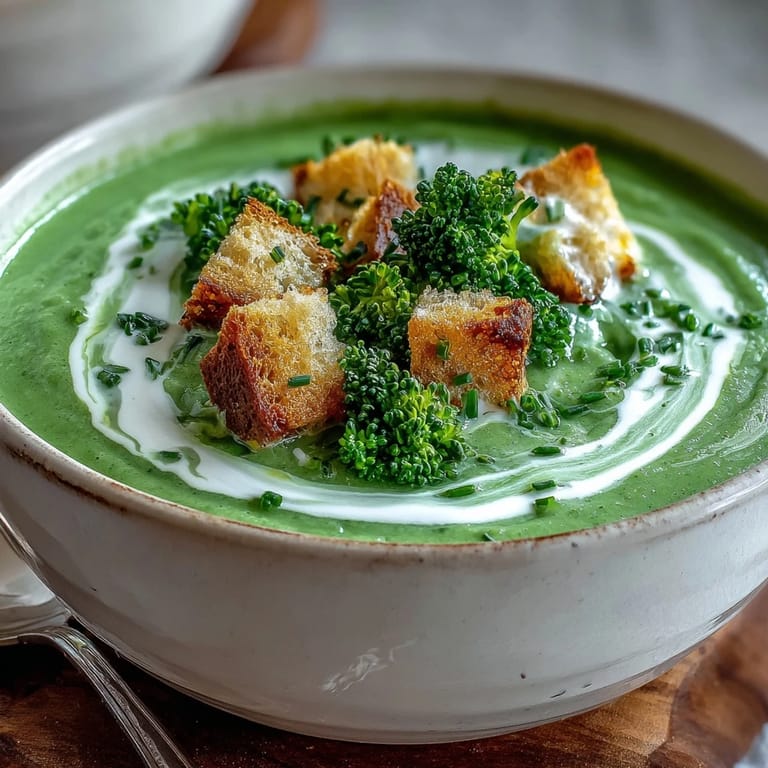
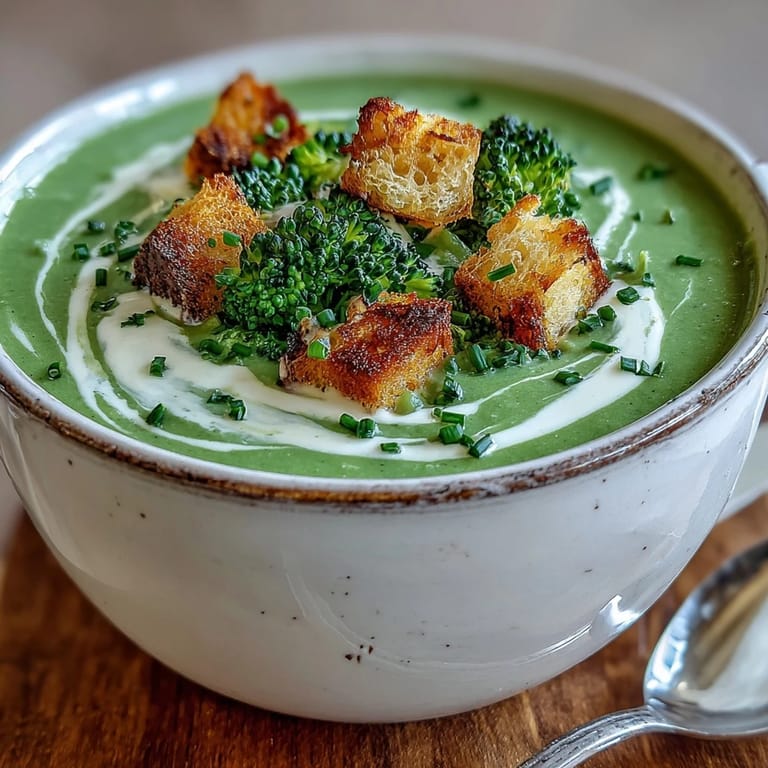
Top with an extra swirl of cream, homemade croutons, or fresh chives for color and crunch. A drizzle of olive oil, grated Parmesan, or toasted pumpkin seeds also adds delightful texture and flavor contrast.
- → How long does this keep in the refrigerator?
Store cooled soup in an airtight container for 4-5 days. Reheat gently over medium-low heat, stirring occasionally. If the consistency seems thick, add a splash of broth or water while warming to reach desired texture.